
Small Changes, Big Home Wins: Refresh Without Renovating
Small Changes, Big Home Wins: Refresh Without Renovating
Start With How You Use the Room
Choose one room and notice what gets in your way during an ordinary day. Maybe you have to squeeze past a chair to reach the window, or the living room seating makes conversation awkward. A specific frustration gives you a clearer starting point than a general wish to make the room look better.
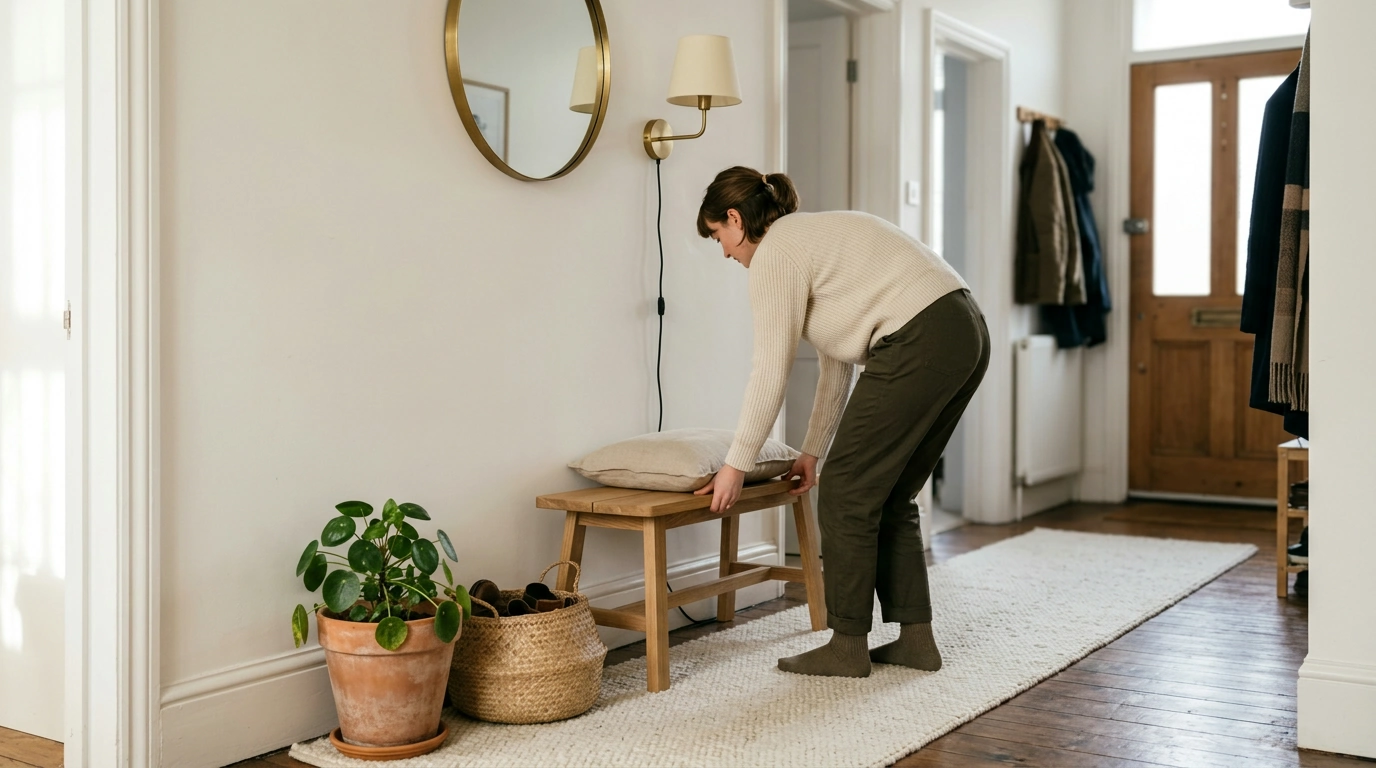
Before buying anything, try moving what you already own. Shift a chair closer to a side table, turn a sofa toward the people who use it, or move a storage piece away from a doorway. Keep everyday items within reach and leave clear routes through the room.
Measure the room and larger furniture first, including the width of doorways and the space needed to open drawers or doors. A quick sketch with measurements can save you from moving a heavy piece twice. Ask for help with bulky furniture rather than dragging it across a floor.
Easy Changes With Everyday Impact
Small adjustments can make a room feel more intentional. Reposition a plug-in lamp near the chair where you read, gather keys and loose mail on a tray, or move a side table where someone can actually use it. If a room feels flat, bring in color with cushions, a throw, or a textile you already have in another room.
For a more cohesive look, repeat one or two colors already in the space. A shade from a rug might appear again in a cushion or a small accessory. You don’t need perfectly matching pieces; a little repetition can help the room feel connected.
Featured in this guide
Small Changes, Big Home Wins – Practical Ebook for Home Upgrades Without Renovation, Easy Style & Layout Improvements, Rental-Friendly Interior Guide
Small Changes to Try at Home
- Crowded layout: Move furniture away from the main walkway without blocking doors or vents.
- Dim corner: Reposition a plug-in lamp and keep its cord clear of walkways.
- Visual clutter: Gather small items in a tray or freestanding basket.
- Flat-looking space: Layer cushions or a throw you already own; follow their care instructions when washing.
When changing a bulb, use one compatible with the fixture and stay within its rated wattage.
Make Rental-Friendly Choices
Freestanding shelves, plug-in lighting, and movable furniture can make a rental more comfortable without changing its permanent features. A basket beside the sofa, for example, can corral blankets without putting holes in a wall.
Read your lease and get permission before drilling, painting, or using adhesive products. Even products labeled removable can damage some surfaces. If you have permission to replace a fixture or hardware, keep the originals and their screws together so they can be reinstalled when needed.
Homeowners can use the same reversible approach to test an idea before committing to a more expensive change. Living with a new arrangement for a few days may reveal whether it genuinely works for your routine.
Where the Ebook Fits In
Our team recommends starting with the problem you want to solve, then choosing ideas that fit your space and budget. Small Changes, Big Home Wins ebook is a practical resource for exploring home upgrades without renovation, including style and layout improvements. It’s suited to readers refreshing a rental or looking for ways to use an existing space better.
Visit the product page for current purchase details. You can also compare the appeal of a comfort-focused refresh with larger resale projects using the National Association of Realtors’ Remodeling Impact Report. A pleasant daily improvement and a financial return are different goals, so decide which matters most before spending.
Build a Simple Home Reset Routine
Try one change at a time and live with it before making another. If you move a lamp, notice whether it lights the task you had in mind and whether its cord stays safely out of the way. If you rearrange seating, see how the room feels during a normal evening rather than judging it only when it’s empty.
Pair your layout refresh with a quick decluttering or cleaning session. Return items to their usual homes, wipe the surfaces you’ve cleared, and leave a little open space instead of filling every corner. For readers interested in cleaning shortcuts, our Clean Faster, Live Better ebook is a related resource.
FAQ
What are the best home upgrades for 2026?
The best upgrades are the ones that suit your room, routines, and budget. Better lighting, clear walkways, and useful storage are practical places to start.
What is the 30% rule for home renovation?
The 30% rule is an informal budgeting guideline, not a universal standard, and its meaning can vary. Before using any percentage, clarify what costs it covers and build a budget around your finances, project estimates, and a contingency for surprises.
What are 10 home upgrades that are not worth it?
There is no universal list of 10 upgrades to avoid because value depends on the cost, property, and your priorities. Highly personalized finishes or oversized furniture can be poor fits if they limit how you use the space or make it harder to appeal to future buyers.
See if Small Changes, Big Home Wins – Practical Ebook for Home Upgrades Without Renovation, Easy Style & Layout Improvements, Rental-Friendly Interior Guide fits your setup









Leave a comment